This past week I found out that it’s very likely that I will be working from home until Fall, and quite possibly the rest of the year. Some coworkers might go back next month. But because of the need to keep social distancing, the office of about 750 people has to prioritize who comes back first. I’m overall quite productive working from home, so it makes sense that I’ll be in a much later wave of those returning.
Overall, I’m fine with this news, and I know I have much to be thankful for. I still have a job and the company is doing very well, which is all too rare right now. On top of that, I no longer have a commute, it is much easier to get in a lunchtime workout, my dog gets a lot of attention, and I can basically live in comfortable athleisure wear (or pajama pants…that’s definitely happened on more than one day).
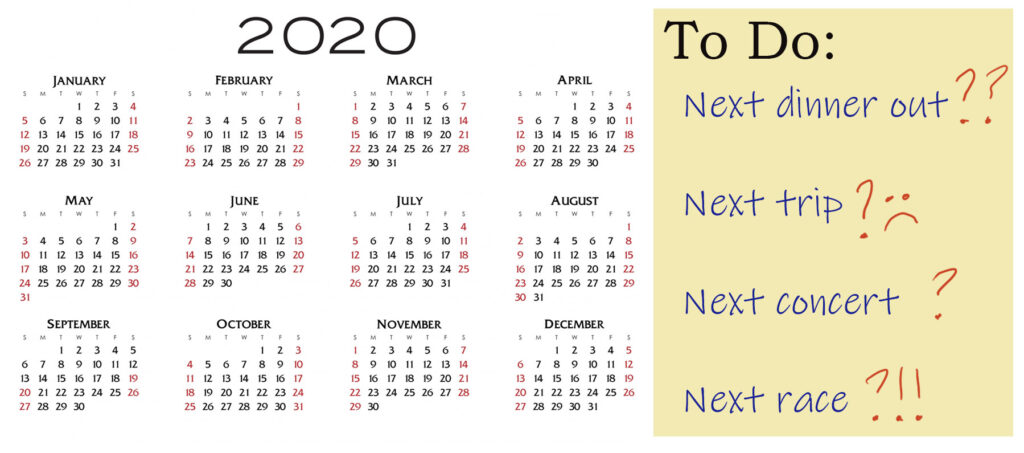
But for all the benefits, the downsides also became crushingly obvious. It will be a long time until things are back to “normal,” and not just at work. I really miss being out among people. Given the theme of this blog, it will come as no surprise that I love restaurants and bars. Meeting up with friends and family to have a quick drink or a lingering meal filled with laughter and catching up was such a core part of my life. And I traveled a lot. The fact that I can’t plan my next vacation, or even a three day weekend away right now is something I mourn. I also love browsing shops, taking live classes in things like cooking and sewing, and I really love my gym. My love for Orangetheory has been well documented in this blog. While the community at the gym is staying connected through facebook updates, group challenges, and online guided workouts, we all know it isn’t the same. All this makes me sad.
Since I’m unable to change the situation, I’m starting to come to terms with the fact that we are in this for a while, and the realization has set in that I need to start thinking long term. At home I’m starting to do things like invest in a nice office set up, one where I can feel productive for months. But I’ve also been shifting my exercise routine to focus on the long term as well. I’ve started to take a big step back from a focus on speed, because what race am I actually training for right now? Instead, I’m using these couple months to target something even more critical: base training.
Base training focuses on gaining endurance. But it isn’t just about running or biking longer distances each week. True base training reprograms your body and changes the way it burns fuel. To give a very general overview of the science (stick with me…I promise I’ll be pretty quick), the focus is on keeping your heartrate below your lactate threshold, where your body is able to burn fuel at a sustainable rate. When you cross this threshold, your body starts to fatigue and can’t sustain that effort for a prolonged period of time. There are differences between this and your aerobic threshold that some people can geek out about. But for most people’s purposes, thinking about lactate threshold as that time when you become anaerobic is sufficient. The goal is to keep your heartrate low enough to be able to sustain increasingly longer workout sessions. Over time, if you consistently train below your lactate threshold, it is possible to feel as good running ten miles as you currently do running three. I promise.
I will follow this post up soon with another that dives a bit deeper into reasons you should commit to doing a period of base training if you want to avoid injury and move closer to your peak performance. But if you can trust me on that for the moment, the really good news is that this is the perfect time to do it!
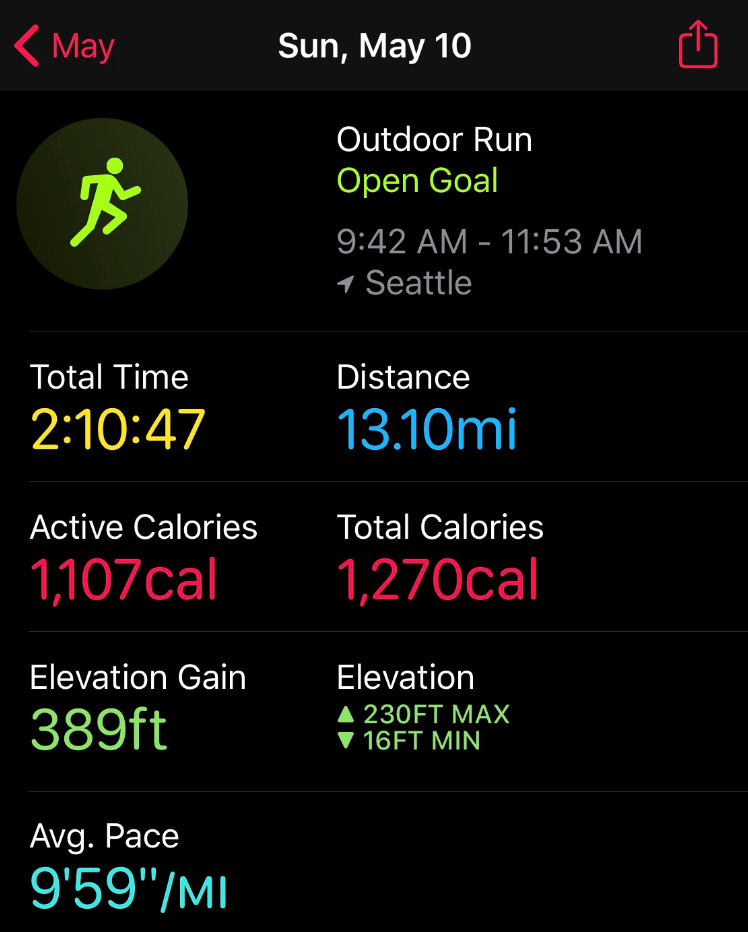
Right now, almost none of us can go to the gym to keep up with our former, usual routine. As I’ve said many times, I love Orangetheory (I mean, this isn’t even the first time I’ve said it in this post). I see really good results in my muscle composition, overall fitness, and definitely in my running speed. But Orangetheory and most other gym workouts don’t really provide endurance training. Sure, they call some workouts “endurance days.” But when that time is limited to, at most, 25 minutes of your workout, it isn’t going to continue to expand your endurance beyond that point. So people who go to such workouts exclusively could become really strong 5K runners, but will have a hard time with any event that takes them more than that 25 minutes. And even those wanting to focus on being 5K runners will be better in the long run if they spend six to eight weeks focusing on base training before they start incorporating high intensity intervals. So while I miss my gym routine, I’m taking this down time as a chance to focus on gaining more endurance, both to ultimately run a faster 5K, and also with an eye toward working my way back into being a decent half marathoner.
Whether you are bemoaning the loss of your favorite gym workout, or maybe looking to start a fitness routine from scratch, I’d encourage you all to slow it down for a bit. We have to start thinking long term with our new COVID reality. It’s also a perfect time to reorient your fitness goals and start thinking lower intensity, longer distance. Longer, slower distances might not be as sexy as sprint intervals, and they do take more time and dedication. But it does pay off. When our gyms open up and communities can once again host races, we will be ready to push our bodies even further and achieve even greater performances. Until then, we’re in this for the long haul…together.
Are you missing something in particular from your old routine? How are you adjusting to the the extended projections for Stay at Home? Share your thoughts, ideas and insights!